


The article has been reviewed by Dr. Lee Siu Wing, Honorary Consultant, Specialist in General Surgery, St. Paul's Hospital


Liver cancer is among the deadliest cancers worldwide. With ongoing advances in medical technology, the key to answering “Can liver cancer be treated?” lies in being alert to liver cancer symptoms and getting diagnosed early. Early diagnosis can significantly improve survival rates. This article explores the causes of liver cancer, early warning signs, diagnostic methods, and treatment options.
What is liver cancer?
Liver cancer usually refers to primary hepatocellular carcinoma (HCC) —a malignant tumor that originates from liver cells. It is commonly seen in high-risk regions, including parts of Asia and Hong Kong. Because the liver has no pain-sensing nerves and has strong compensatory abilities, liver cancer symptoms often remain unclear in the early stages. This is one of the main reasons it is difficult to detect early.
Major causes of liver cancer
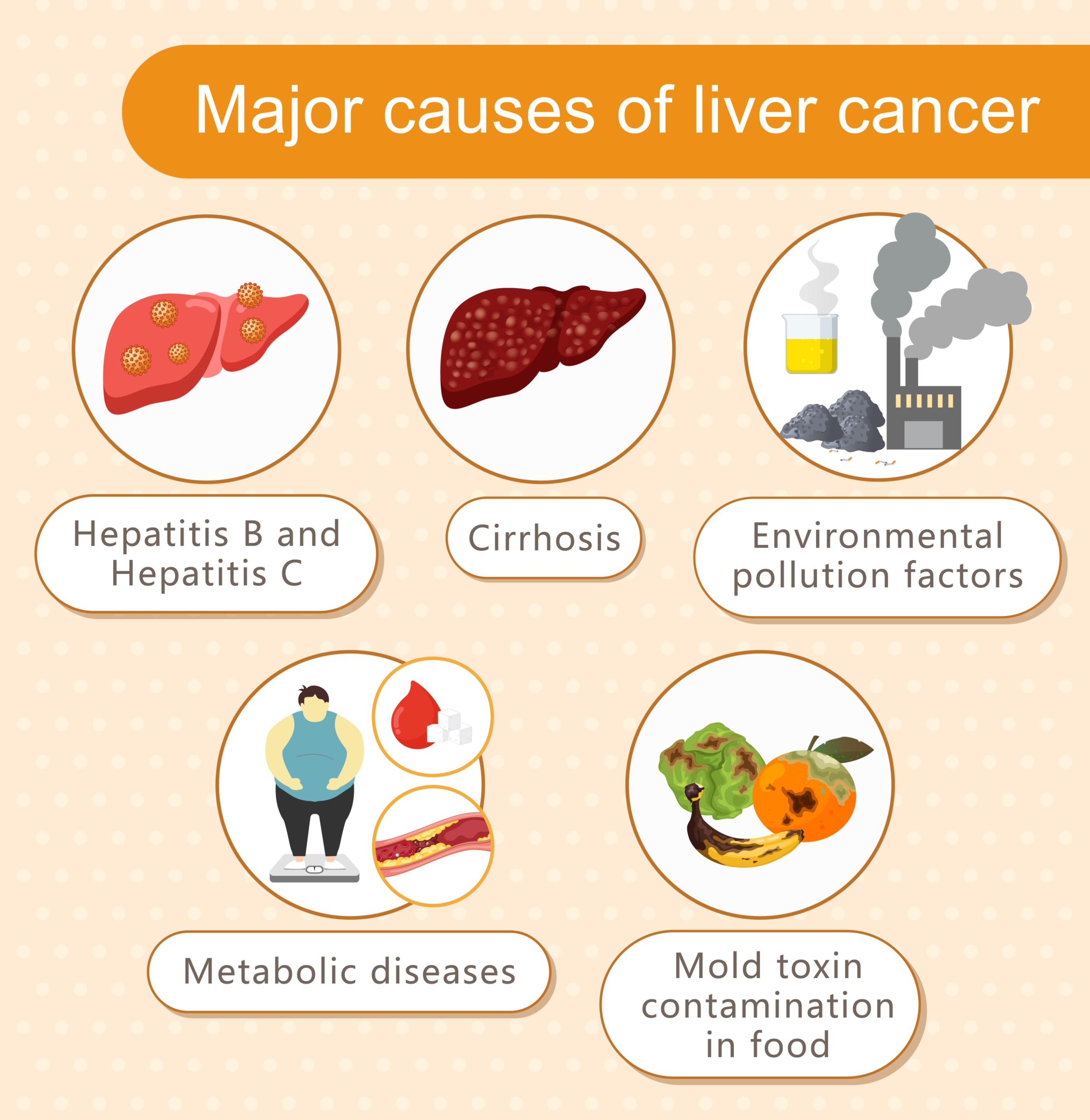
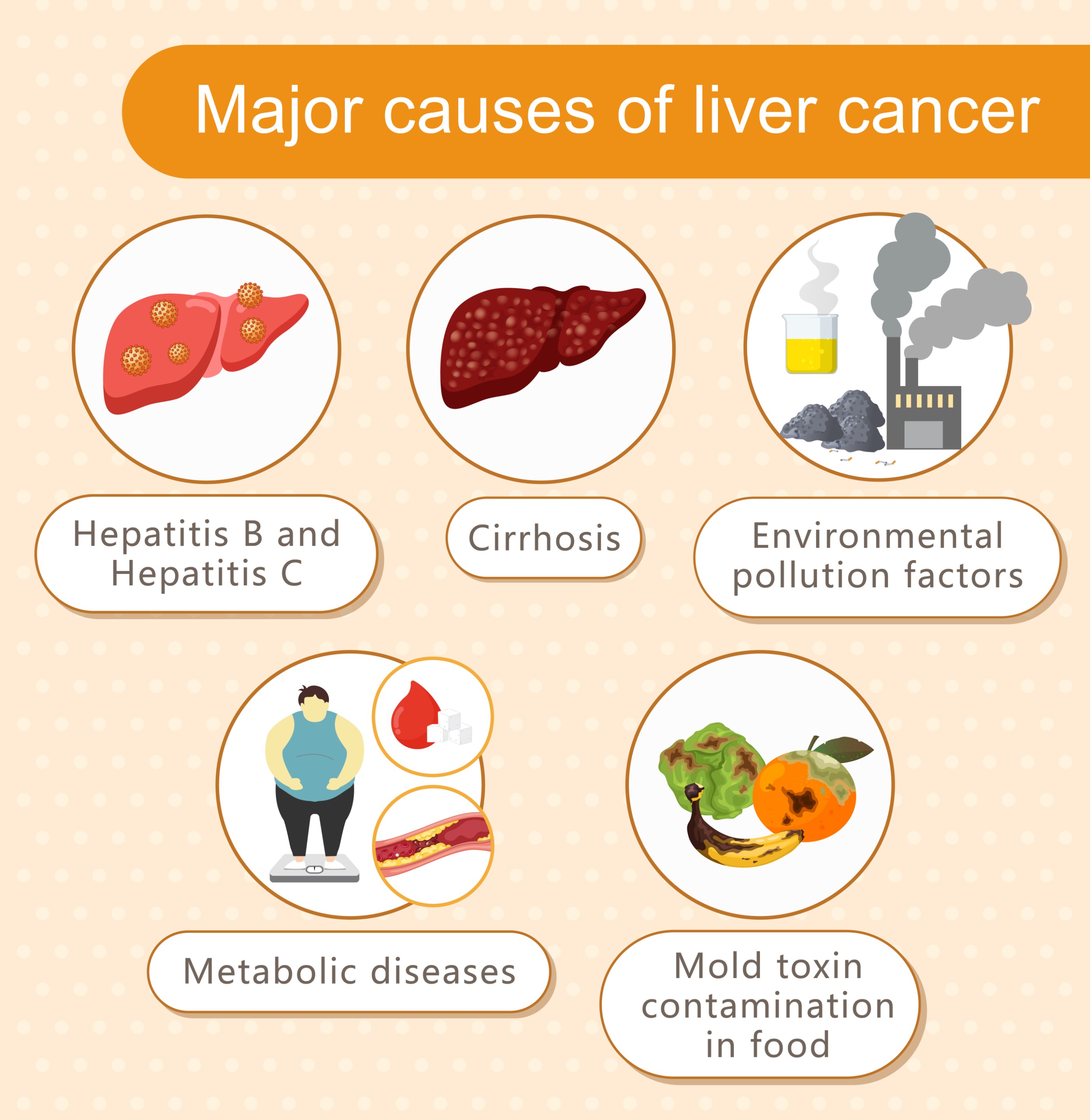
Understanding the causes of liver cancer is the foundation of prevention. Most cases are related to long-term chronic liver disease, often described as the “hepatitis—cirrhosis—liver cancer” progression.
(  Click the image to enlarge )
Hepatitis B and Hepatitis C
In Asia, chronic hepatitis B infection is the leading cause of liver cancer—about 80% of liver cancer patients in Hong Kong are associated with hepatitis B. The virus can cause long-term liver inflammation, repeatedly damaging and repairing liver cells, which eventually leads to cirrhosis and liver cancer. Hepatitis C is also an important cause of liver cancer.
Cirrhosis
Cirrhosis, whether caused by viruses, alcohol, or other factors, can distort the liver's structure and lead to scarring (fibrosis). This greatly increases the chances that liver cells will undergo mutations and become cancer cells, and it is considered a “precancerous state” for liver cancer.
Environmental pollution factors
Long-term exposure through lifestyle or occupation to certain chemicals, or exposure to environmental pollution—including vinyl chloride and specific chemicals such as nitrosamines—may also be linked to the development of liver cancer.
Metabolic diseases
Non-alcoholic fatty liver disease (NAFLD) and non-alcoholic steatohepatitis (NASH) are associated with metabolic syndrome, including obesity, diabetes, and high blood lipids. They are emerging causes of the rising liver cancer rates seen in Western countries.
Mold toxin contamination in food
Aflatoxin is a powerful carcinogen found mainly in crops that have spoiled due to moisture and mold, such as moldy nuts and grains. Long-term consumption can significantly increase the risk of liver cancer.
Common symptoms of liver cancer
(  Click the image to enlarge )
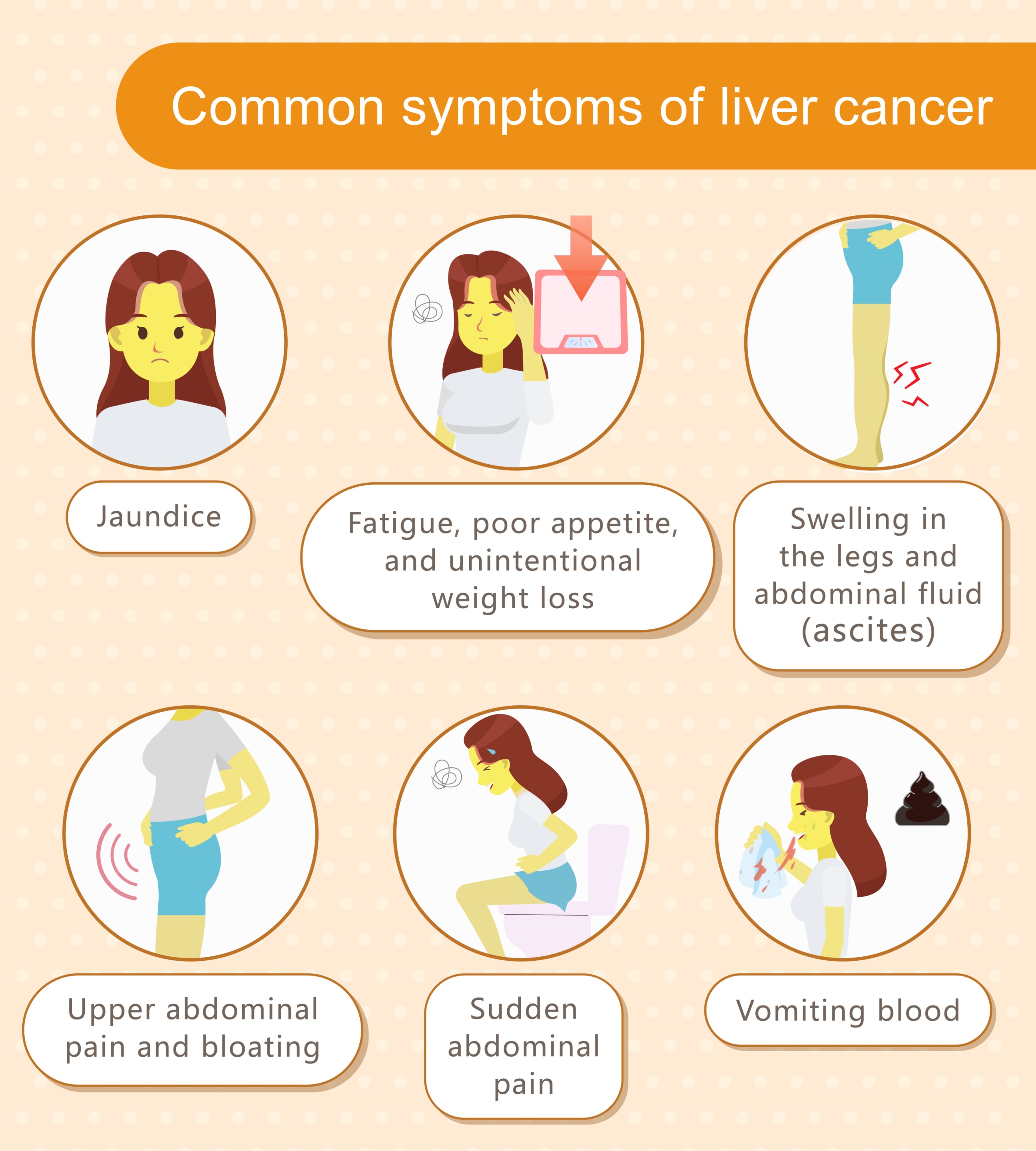
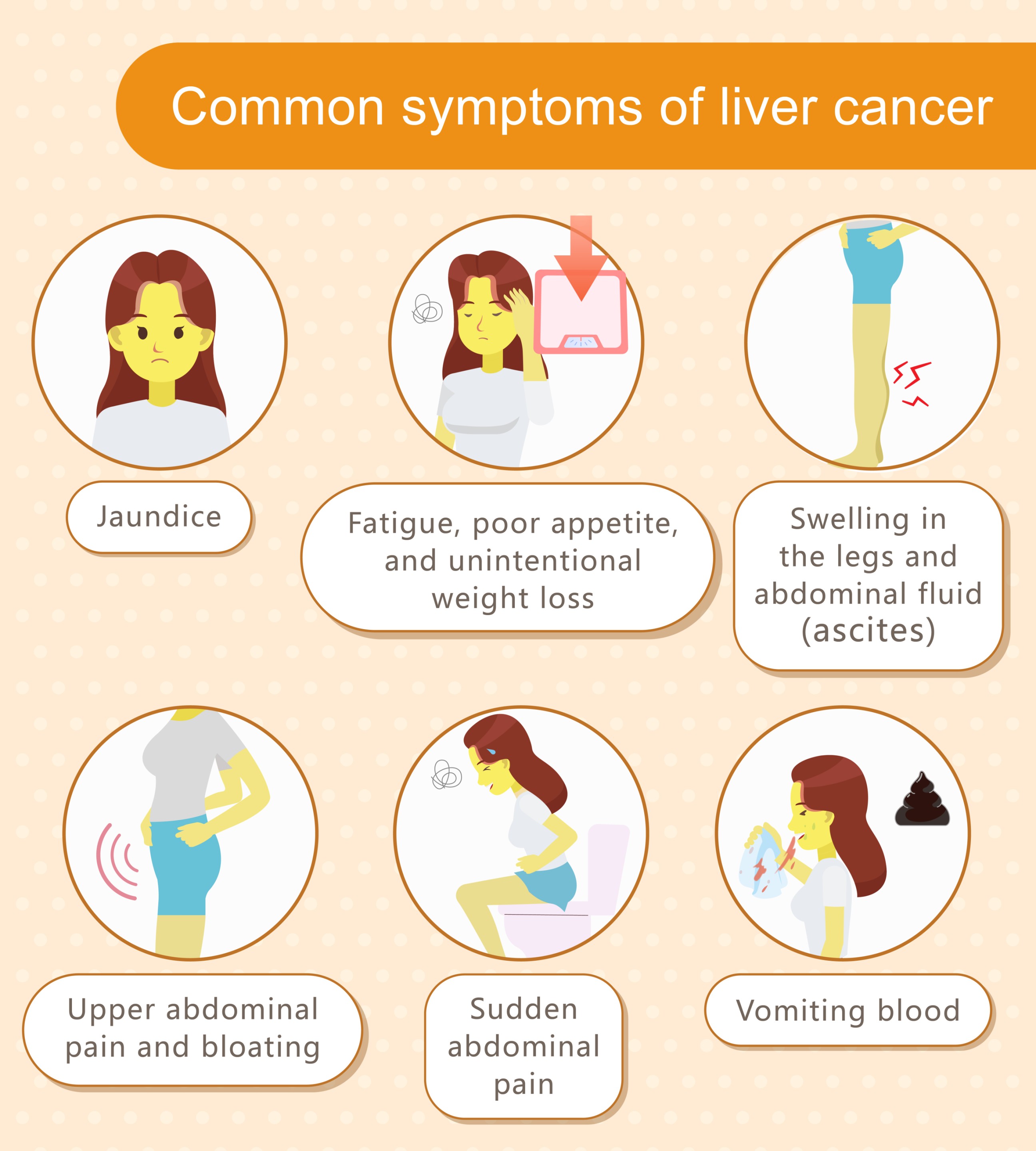
Early liver cancer symptoms are often not obvious, or they may only appear as non-specific signs. As the tumor grows or liver function becomes significantly impaired, symptoms of liver cancer gradually become more noticeable.
Jaundice
When cancer cells block the bile ducts or cause severe decline in liver function, bilirubin builds up in the body. Patients may develop yellow skin and yellowing of the whites of the eyes, as well as dark-colored urine and other signs of jaundice.
Fatigue, poor appetite, and unintentional weight loss
These are common whole-body (systemic) cancer symptoms. They include persistent tiredness, a clear drop in appetite, and unexplained weight loss.
Swelling in the legs and abdominal fluid (ascites)
When the liver's protein-making function decreases and portal vein pressure increases, fluid can accumulate in the body—leading to leg swelling (edema) and abdominal bloating.
Upper abdominal pain and bloating
As the tumor grows, it may press on the liver's capsule or affect nearby organs, causing ongoing upper abdominal pain or a feeling of bloating/discomfort.
Sudden abdominal pain
If the tumor ruptures suddenly or bleeds, it can cause sudden abdominal pain. This is an emergency warning sign—seek medical care immediately.
Vomiting blood
Severe cirrhosis can lead to rupture of esophageal varices (enlarged veins in the esophagus), causing upper gastrointestinal bleeding. This may result in vomiting blood or passing black tarry stools.
How liver cancer is diagnosed
Because early symptoms of liver cancer are often not obvious, regular screening and thorough diagnostic tests are crucial for high-risk groups (such as people with chronic hepatitis B or hepatitis C infection, or those with cirrhosis).
Blood test for alpha-fetoprotein (AFP)
Alpha-fetoprotein (AFP) is a tumor marker. While AFP levels do not rise in every liver cancer patient, abnormally elevated AFP can be an important diagnostic clue. This test is often used together with ultrasound as a routine screening tool for high-risk groups.
Liver function tests
Blood tests can measure liver enzymes (such as ALT, AST) and bilirubin levels to assess the degree of liver damage and functional reserve. This is essential for planning liver cancer treatment—especially to evaluate whether a patient is suitable for surgical resection.
Liver biopsy
Under ultrasound or CT guidance, a doctor uses a thin needle to remove a small sample of liver tissue for pathological examination. Biopsy is the standard for definitive diagnosis, confirming the tumor's malignancy and type.
Liver ultrasound
This is a non-invasive and relatively simple imaging test. It uses sound waves to create images of the liver and can help detect abnormal nodules or masses. For high-risk groups, ultrasound is often the preferred first choice for regular screening.
CT scan and MRI
If ultrasound detects a suspicious mass, doctors typically recommend CT (computed tomography) or MRI (magnetic resonance imaging). These high-resolution imaging tests provide more detailed information, including the tumor's size, number, and location, whether it has invaded blood vessels, and whether there is distant spread. They are key for both confirming liver cancer and determining its stage.
Angiography (blood vessel imaging)
This test involves injecting a contrast agent into the blood vessels of the liver to observe the tumor's blood supply. It helps evaluate how vascular the tumor is and is often used to assess suitability and planning for interventional treatments such as TACE (transarterial chemoembolization) and radioembolization.
Stages of liver cancer
Liver cancer is classified into four stages. The higher the stage number, the more extensive the tumor spread.
Staging systems (such as the Barcelona Clinic Liver Cancer (BCLC) staging system) evaluate multiple factors together, including tumor size, number of tumors, whether it has spread, and the patient's liver function. Liver cancer prognosis is closely related to the stage at diagnosis.
| Stage / staging | Key features |
| Early stage (Stage 1–2) | The tumor is limited to the liver; there is no obvious spread or significant enlargement. |
| Intermediate stage (Stage 3) | The tumor may have grown into nearby blood vessels or tissues. |
| Advanced stage (Stage 4) | Distant metastasis appears (e.g., to the lungs or bones) or widespread spread throughout the body. |
Treatment options for liver cancer
Liver cancer treatments are highly diverse. The best choice depends on the stage of the cancer, liver function, and the patient's overall health. Doctors generally combine multiple approaches to create a personalized treatment plan.
Surgical resection
Usually suitable for early-stage liver cancer, when the tumor is confined within the liver and the patient has adequate liver reserve. The goal is to completely remove the tumor—often the best option for long-term survival.
Liver transplantation
For certain early-stage liver cancer patients with severe cirrhosis, replacing the entire liver can treat both liver cancer and cirrhosis at the same time. However, patients must meet specific Milan Criteria and wait for a suitable donor organ.
Radiofrequency ablation (RFA)
This is a minimally invasive local treatment. Doctors insert electrode needle(s) into the tumor and use high-frequency electrical current to generate heat, destroying cancer cells. It is typically used for tumors that are small, few in number, and not suitable for surgery.
Transarterial chemoembolization (TACE)
TACE is an invasive treatment. Doctors deliver chemotherapy drugs and an embolizing agent into the artery that supplies blood to the tumor. This kills cancer cells while also blocking their blood supply—often described as “starving” the tumor of nutrients. It is commonly used for intermediate-stage liver cancer.
High-Intensity Focused Ultrasound (HIFU)
HIFU is a non-invasive technique that uses focused high-intensity ultrasound energy to heat and destroy the tumor while minimizing damage to normal tissues along the beam path. It is non-invasive, usually has fewer side effects, and patients often recover faster.
Stereotactic Body Radiation Therapy (SBRT)
SBRT uses highly precise radiation technology to deliver a high radiation dose to the tumor over a short period, while protecting surrounding normal liver tissue as much as possible. It is often considered for patients with small tumors, tumors in difficult locations, or those who are not suitable for surgery.
Transarterial radioembolization (TARE / SIRT)
Also known as selective internal radiation therapy, TARE involves injecting radioactive microspheres (e.g., yttrium-90) into the liver artery. The radiation is delivered directly to the tumor with high precision, achieving accurate treatment effects with relatively fewer side effects.
Immunotherapy
In recent years, immunotherapy has shown breakthroughs in liver cancer treatment. It works by activating the patient's own immune system—especially T cells—so it can recognize and attack cancer cells. It is often used for intermediate-to-advanced stages or for patients who have not responded well to other treatments.
Targeted therapy
Targeted drugs block specific molecules involved in cancer cell growth and blood vessel formation, helping suppress tumor growth and spread. They are often used as oral medications for patients with advanced liver cancer that cannot be treated with surgery and has metastasized.
Liver cancer treatment has become increasingly diverse. Patients are encouraged to consult surgeons and oncologists for the most suitable combination of treatments based on individual circumstances. To seek a professional surgical evaluation or further consultation on liver cancer treatment options, please contact the Surgery Centre or the Radiotherapy and Oncology Centre at St. Paul's Hospital. Book an appointment now with the Surgery Centre or the Radiotherapy and Oncology Centre.
Personal care after liver cancer surgery
No matter what liver cancer treatment you receive, during-treatment care and post-operative care are both very important.
- Regular follow-ups and monitoring: Liver cancer has a relatively high recurrence rate. Strictly follow your doctor's instructions for regular imaging tests and blood tests for tumor markers.
- Dietary adjustments: Follow advice from your healthcare team and a dietitian. Maintain a balanced diet that protects the liver—especially limit alcohol consumption and reduce high-fat and high-sugar foods. To learn more, please book an appointment with the St. Paul's Hospital Dietetics & Catering Department, where our professional registered dietitians provide personalized nutritional consultation and dietary guidance.
- Regular daily routine: Avoid late nights, get enough rest, and reduce strain on the liver.
- Medication management: Carefully manage medications for chronic conditions (e.g., hepatitis, diabetes, and hypertension). Do not stop your medications on your own or take other drugs without medical advice.
How to prevent liver cancer
Prevention is better than treatment. The key is to control the major causes of liver cancer.
- Vaccination: Getting the hepatitis B vaccine is one of the most effective ways to prevent liver cancer.
- Avoid high-risk behaviors: Avoid sharing needles to reduce the risk of hepatitis C infection.
- Limit alcohol: Avoid or reduce alcohol to prevent alcohol-related liver disease and cirrhosis.
- Control weight and chronic diseases: Actively manage diabetes, high blood pressure, and high blood lipids to prevent non-alcoholic fatty liver disease.
- Regular screening: For high-risk groups such as people with hepatitis B or hepatitis C infection, and those with cirrhosis, screening should be done every six months with liver ultrasound and AFP (alpha-fetoprotein) testing.
Common questions about liver cancer
Is liver cancer hereditary?
Liver cancer itself does not directly “inherit” from parents to children. However, the underlying risk factors that may lead to liver cancer (such as hepatitis B or certain metabolic liver diseases) may show a familial tendency. People with a family history of liver cancer should be especially attentive to liver health checks.
Does drinking alcohol cause liver cancer?
Yes. Long-term, excessive alcohol consumption can lead to alcoholic hepatitis, which may progress to cirrhosis—a major cause of liver cancer.
Can liver cancer be completely cured?
For early-stage liver cancer, curative treatments such as surgical resection or radiofrequency ablation may offer a chance for clinical cure. However, because liver cancer has a high recurrence rate, long-term monitoring is still necessary even after clinical cure.
Is liver cancer without symptoms common?
Yes, it is very common. This is also why liver cancer is often called a “silent killer.” Before early symptoms appear, the tumor may already be present. That is why regular screening for high-risk groups is very important.
After being diagnosed with liver cancer, what should I pay attention to in daily life?
After diagnosis, follow your doctor's treatment and care recommendations closely. This typically includes avoiding alcohol and smoking, adjusting your diet to protect the liver, getting enough rest, and maintaining a positive and optimistic mindset.


